Company Formation · Europe
Croatia
Form a company in Croatia. Typical vehicle: a d.o.o. Plan banking, payment gateways, and — where it applies — business immigration against that entity.
- Entity
- d.o.o.
- Visit
- A visit may be required for identification or banking
- Timeframe
- Typically 2–5 weeks
- Typical cost
- Notary and registry fees
Country overview
About Croatia
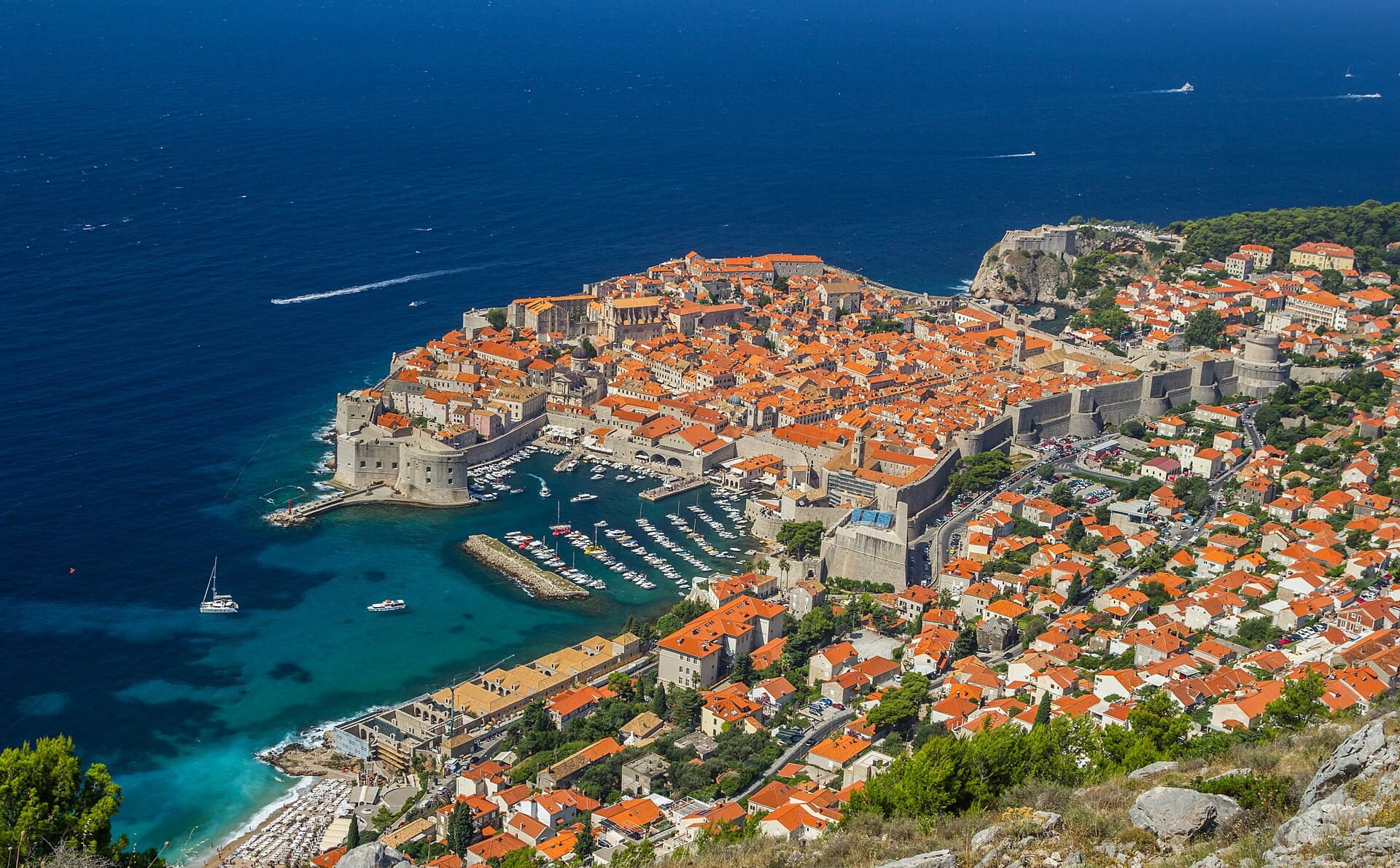
Croatia is a republic on the Adriatic in South-Eastern Europe. Zagreb is the capital and the largest city. About 3.8 million people live here. It borders Slovenia, Hungary, Serbia, Bosnia and Herzegovina and Montenegro, with a long coastline and a maritime frontier with Italy. Croatian is the official language. The euro is the currency.
Croatia joined the European Union in 2013, adopted the euro on 1 January 2023, and entered the Schengen area in 2023. It is used as an EU operating base for services, tourism-linked trade, and work with Central Europe and the Western Balkans. Zagreb is the commercial centre; the Adriatic ports give the country a southern maritime face as well as a continental one.
Brikseka forms Croatian companies. The usual vehicle is a društvo s ograničenom odgovornošću (d.o.o.). No local director is required. Company documents can often be prepared remotely; identification, banking, or immigration may still require travel.
We then advise on a business bank account and payment gateways such as Stripe and PayPal. Approvals are decided by the providers. If your aim is to live in Croatia, company formation is not a residence permit — that is a separate immigration file, which we also advise on.
Company formation
We form a d.o.o. with Croatian counsel, then stay with the file through banking and payments. A local director is not required.
European Union and euro
EU member since 2013, euro area since 2023, and Schengen since 2023. A Croatian company sits inside the single market and invoices in euro.
Adriatic Europe
Zagreb as the business centre, with an Adriatic coastline and neighbours in Central Europe and the Western Balkans.
Tax setting
Corporate income tax is published at 18 percent, with a 10 percent rate for qualifying smaller companies. We confirm the live position before you proceed.
How we work
From briefing to a registered company
Briefing
We review your business, the right entity for this country, costs, and whether a visit is likely.
Company formation
Local counsel, notary where required, and the commercial register. We coordinate the documents through to a registered company.
Banking and payments
After the company exists, we prepare applications for a business account and payment gateways.
After incorporation
Statutory records, a named contact, and introductions to accounting so the company can operate.
After the company exists
Payment gateways
- Stripe, subject to Stripe’s approval
- PayPal Business, subject to PayPal’s approval
Operating stack
Business banking
- Wise Business, opened in the company name, subject to Wise’s approval
Provider lists are indicative. We confirm current availability, government fees, and account-opening requirements during consultation.
Business Tools covers payment gateways, business accounts, email, websites, and related tools after the company exists.


Consultation
Let’s talk through your next step
Tell us what you are building or where you need to move. We respond within one business day.